
Personen
KB IB clear |
Juan I. Asensio-Perez
, Juan I. Asensio-Pérez
, Derek E. Baird
, Sasha Barab
, Sonja Baumer
, Matteo Bittanti
, Miguel L. Bote-Lorenzo
, danah boyd
, Axel Bruns
, Rachel Cody
, Melissa Cole
, Allan Collins
, Larry Cuban
, Pierre Dillenbourg
, Yannis Dimitriadis
, Yannis A. Dimitxiadis
, Teresa Dobson
, Frank Fischer
, Mercedes Fisher
, Eduardo Gómez-Sanchez
, Mark Guzdial
, Jörg M. Haake
, Richard Halverson
, Davinia Hernández-Leo
, Becky Herr-Stephenson
, Heather Horst
, Sal Humphreys
, Ivan Illich
, Mizuko Ito
, Patrick Jermann
, David H. Jonassen
, Iván M. Jorrín-Abellán
, Colleen Kehoe
, Myint Swe Khine
, Paul A. Kirschner
, Ingo Kollar
, Marja Kuittinen
, Patricia G. Lange
, Diana Laurillard
, Andreas Lund
, Dilan Mahendran
, Heinz Mandl
, Rob L. Martens
, Katynka Z. Martínez
, Martin Muehlenbrock
, Seymour Papert
, C.J. Pascoe
, L. J. Perelman
, Dan Perkel
, Neil Postman
, Jochen Rick
, Laura Robinson
, Bartolomé Rubia-Avi
, Inés Ruiz-Requies
, Jorma Sajaniemi
, Issa M. Saleh
, Neil Selwyn
, Christo Sims
, Ole Smordal
, A. Soller
, Kurt Squire
, Jan-Willem Strijbos
, Don Tapscott
, Alvin Toffler
, Lisa Tripp
, Sherry Turkle
, Luis M. Vaquero-Gonzalez
, Guillermo Vega-Gorgojo
, Eloy D. Villasclaras-Fernández
, Vetta Vratulis
, David Warner
, Steeve Wheeler
, Dawn Wheeler
, Anthony D. Williams
, Jeannette M. Wing
, Peter Yeomans
|

Bücher | | Jahr | | Umschlag | Titel | Abrufe | IB | OB | KB | LB |
|---|
| |
|
Handbook of Research on Educational Communications and Technology (David H. Jonassen) | 0, 1, 2, 3, 2, 4, 2, 2, 1, 0, 1, 1 |
17 |
0 |
1 |
559 |
| 1970 |   |
|
Future Shock (Alvin Toffler) | 0, 0, 0, 0, 1, 1, 0, 1, 0, 3, 1, 0 |
40 |
105 |
0 |
1308 |
| 1971 |  |
|
Deschooling Society (Ivan Illich) | 0, 1, 2, 0, 1, 1, 3, 1, 0, 0, 0, 0 |
21 |
12 |
0 |
806 |
| 1982 | |
|
Mindstorms (Seymour Papert) | 2, 1, 1, 1, 4, 5, 4, 3, 3, 2, 0, 3 |
359 |
48 |
3 |
6046 |
| 1992 | |
|
School's out (L. J. Perelman) | 0, 0, 3, 1, 3, 0, 5, 2, 0, 1, 0, 0 |
16 |
1 |
0 |
943 |
| 1993 | |
|
Revolution des Lernens (Seymour Papert) | 1, 3, 2, 1, 7, 6, 6, 3, 2, 3, 2, 10 |
90 |
176 |
10 |
8995 |
| 1993 | |
|
The End of Education (Neil Postman) | |
11 |
3 |
0 |
0 |
| 2001 | |
|
Euro-CSCL  (Pierre Dillenbourg, A. Eurelings, K. Hakkarainen) | 0, 1, 1, 2, 3, 3, 0, 1, 0, 0, 0, 1 |
32 |
134 |
1 |
2521 |
| 2001 | |
|
Oversold and Underused (Larry Cuban) | 0, 0, 3, 1, 2, 4, 2, 1, 1, 0, 0, 0 |
82 |
8 |
0 |
1881 |
| 2002 | |
|
Three worlds of CSCL (Paul A. Kirschner) | 0, 1, 1, 1, 1, 0, 1, 1, 0, 0, 1, 1 |
62 |
42 |
1 |
1883 |
| 2004 | |
|
What we know about CSCL and implementing it in higher education (Jan-Willem Strijbos, Paul A. Kirschner, Rob L. Martens) | 0, 1, 0, 4, 3, 1, 8, 1, 0, 1, 0, 2 |
13 |
116 |
2 |
2044 |
| 2005 | |
|
Computer Science Education 1/2005 | 0, 0, 0, 0, 0, 2, 0, 2, 1, 1, 0, 0 |
7 |
7 |
0 |
444 |
| 2005 | |
|
WikiSym 2005 | 0, 0, 1, 0, 2, 2, 4, 3, 1, 2, 0, 1 |
70 |
62 |
1 |
2254 |
| 2006 | |
|
Schooling for the Knowledge Era (David Warner) | 0, 2, 1, 3, 3, 1, 1, 1, 1, 0, 0, 0 |
2 |
7 |
0 |
431 |
| 2006 | |
|
International Journal of Computer-Supported Collaborative Learning, Volume 1 | 0, 0, 1, 0, 1, 1, 2, 0, 1, 0, 0, 0 |
14 |
108 |
0 |
1017 |
| 2006 | |
|
WikiSym 2006 | 0, 0, 1, 0, 3, 2, 1, 2, 1, 1, 0, 0 |
49 |
126 |
0 |
2341 |
| 2007 | |
|
Scripting Computer-Supported Collaborative Learning (Frank Fischer, Ingo Kollar, Heinz Mandl, Jörg M. Haake) | 0, 1, 2, 2, 5, 4, 0, 1, 0, 1, 2, 1 |
25 |
97 |
1 |
1912 |
| 2007 | |
|
Wikinomics (Don Tapscott, Anthony D. Williams) | 0, 0, 2, 0, 2, 4, 2, 1, 0, 1, 2, 6 |
46 |
95 |
6 |
7731 |
| 2009 | |
|
Handbook of Research on New Media Literacy at the K-12 Level (Leo Tan Wee Hin, R. Subramaniam) | 0, 1, 0, 0, 1, 1, 2, 0, 0, 1, 0, 0 |
6 |
116 |
0 |
1164 |
| 2009 | |
|
Rethinking Education in the Age of Technology (Allan Collins, Richard Halverson) | 0, 0, 2, 3, 1, 2, 2, 0, 0, 1, 4, 0 |
24 |
43 |
0 |
1056 |
| 2010 | |
|
Hanging Out, Messing Around, and Geeking Out (Mizuko Ito, Sonja Baumer, Matteo Bittanti, danah boyd, Rachel Cody, Becky Herr-Stephenson, Heather Horst, Patricia G. Lange, Dilan Mahendran, Katynka Z. Martínez, C.J. Pascoe, Dan Perkel, Laura Robinson, Christo Sims, Lisa Tripp) | 0, 1, 1, 3, 3, 1, 1, 3, 1, 4, 0, 1 |
30 |
37 |
1 |
1043 |
| 2010 | |
|
New Science of Learning (Myint Swe Khine, Issa M. Saleh) | 0, 0, 0, 0, 2, 2, 1, 0, 1, 2, 8, 1 |
7 |
14 |
1 |
555 |
| 2010 | |
|
Schools and Schooling in the Digital Age (Neil Selwyn) | 1, 1, 0, 0, 2, 4, 2, 2, 0, 2, 0, 0 |
14 |
94 |
0 |
1177 |
|

Texte | | Jahr | | Umschlag | Titel | Abrufe | IB | OB | KB | LB |
|---|
| |
|
Does Easy Do It? (Seymour Papert) | |
9 |
1 |
0 |
0 |
| |
|
COLLAGE (Davinia Hernández-Leo, Eloy D. Villasclaras-Fernández, Juan I. Asensio-Pérez, Yannis Dimitriadis, Iván M. Jorrín-Abellán, Inés Ruiz-Requies, Bartolomé Rubia-Avi) | 0, 0, 4, 0, 0, 0, 1, 1, 2, 0, 0, 1 |
6 |
12 |
1 |
1073 |
| 1984 | |
|
Trying to predict the future (Seymour Papert) | 0, 0, 2, 0, 2, 1, 3, 2, 0, 3, 3, 0 |
10 |
1 |
0 |
563 |
| 1990 | |
|
Epistemological Pluralism: Styles and Voices Within the Computer Culture (Sherry Turkle, Seymour Papert) | 0, 1, 0, 2, 0, 1, 1, 1, 1, 1, 1, 3 |
18 |
25 |
3 |
357 |
| 2001 | |
|
From Mirroring to Guiding (Patrick Jermann, A. Soller, Martin Muehlenbrock) | 0, 1, 1, 0, 0, 0, 0, 1, 0, 0, 1, 0 |
11 |
7 |
0 |
736 |
| 2001 | |
|
Beyond Adoption to Invention (Mark Guzdial, Jochen Rick, Colleen Kehoe) | 0, 0, 3, 1, 1, 2, 2, 3, 0, 3, 0, 1 |
26 |
23 |
1 |
2629 |
| 2002 | |
|
Over-scripting CSCL (Pierre Dillenbourg) | 0, 2, 0, 0, 0, 1, 4, 3, 0, 3, 4, 2 |
46 |
33 |
2 |
2775 |
| 2002 | |
|
Can we support CSCL? (Paul A. Kirschner) | 0, 2, 1, 0, 0, 2, 1, 0, 0, 0, 0, 0 |
16 |
8 |
0 |
1015 |
| 2004 | |
|
GRIDCOLE (Miguel L. Bote-Lorenzo, Luis M. Vaquero-Gonzalez, Guillermo Vega-Gorgojo, Juan I. Asensio-Perez, Eduardo Gómez-Sanchez, Yannis A. Dimitxiadis) | 0, 1, 3, 4, 4, 2, 0, 0, 0, 0, 0, 0 |
3 |
6 |
0 |
706 |
| 2004 | |
|
Design-based research: Putting a stake in the ground (Sasha Barab, Kurt Squire) | 0, 2, 1, 0, 0, 2, 1, 3, 0, 0, 1, 0 |
15 |
3 |
0 |
526 |
| 2005 | |
|
An Experiment on Using Roles of Variables in Teaching Introductory Programming (Jorma Sajaniemi, Marja Kuittinen) | |
4 |
3 |
0 |
0 |
| 2005 | |
|
Wikis in Teaching and Assessment (Axel Bruns, Sal Humphreys) | 0, 2, 1, 0, 0, 1, 4, 2, 0, 3, 1, 0 |
31 |
9 |
0 |
1240 |
| 2006 | |
|
Situating CoWeb (Mark Guzdial, Jochen Rick) | 0, 1, 0, 1, 8, 1, 3, 3, 0, 3, 1, 1 |
9 |
37 |
1 |
1502 |
| 2006 | |
|
Computational Thinking (Jeannette M. Wing) | 0, 3, 2, 2, 2, 4, 8, 5, 2, 4, 2, 4 |
207 |
21 |
4 |
1480 |
| 2006 | |
|
Is There a Space for the Teacher in a Wiki? (Andreas Lund, Ole Smordal) | 0, 2, 0, 3, 4, 2, 2, 1, 3, 0, 1, 0 |
14 |
18 |
0 |
1100 |
| 2008 | |
|
The good, the bad and the wiki (Steeve Wheeler, Peter Yeomans, Dawn Wheeler) | 0, 1, 3, 3, 4, 4, 1, 0, 0, 0, 0, 0 |
5 |
11 |
0 |
605 |
| 2008 | |
|
Social negotiations in a wiki environment (Vetta Vratulis, Teresa Dobson) | 0, 2, 0, 0, 0, 1, 3, 2, 1, 0, 0, 0 |
1 |
11 |
0 |
638 |
| 2009 | |
|
Using wiki technology to support student engagement (Melissa Cole) | 0, 0, 1, 0, 1, 0, 0, 1, 0, 0, 0, 0 |
9 |
13 |
0 |
621 |
| 2009 | |
|
The pedagogical challenges to collaborative technologies (Diana Laurillard) | 0, 1, 2, 0, 2, 0, 2, 1, 0, 1, 0, 0 |
1 |
10 |
0 |
700 |
| 2009 | |
|
Pedagogical Mashup (Derek E. Baird, Mercedes Fisher) | |
4 |
2 |
0 |
0 |
|


 Dieser Konferenz-Band erwähnt ...
 Affordance
 Computerspiele
 Digitalisierung
 E-Learning
 Emotionen
 Geometrie
 Gesellschaft
 Hochschule
 Internet
 konstruktivistische Überzeugung
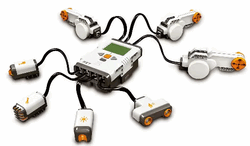 LEGO Mindstorms
 LehrerIn
 Lernen
 machine learning
 Motivation
 ökologischer Fussabdruck
 Open Educational Resources (OER)
 Problemlösefähigkeit
 Programmieren
 Roboter
 Schule
 Struktur
 transmissive Überzeugung
 Virtual Reality
 Visualisierung
 Weblogs
 Dieser Konferenz-Band erwähnt vermutlich nicht ...
 Tagcloud
 Zitationsgraph (Beta-Test mit vis.js)
 Zeitleiste
 3 Erwähnungen
 Volltext dieses Dokuments
 , 103 kByte;
 2020-11-28)
 Bibliographisches


 Beat und diese Konferenz-Proceedings
 Biblionetz-History